
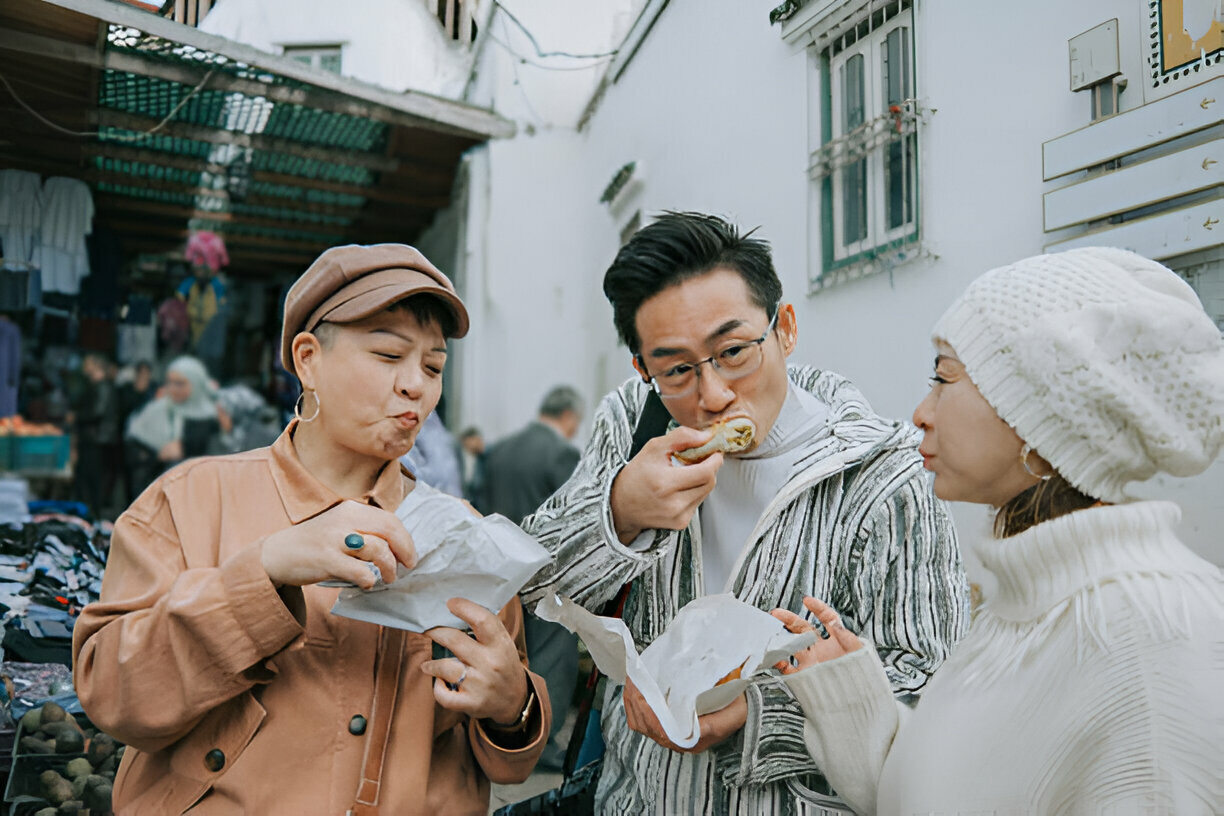

Morocco, a land of vibrant culture and fascinating history, offers a unique blend of traditions, customs, and stories waiting to be discovered. From the imperial cities to the rural villages, Morocco’s cultural heritage is as diverse as its landscapes. This blog will take you on a journey through Morocco’s rich history, its stunning architecture, local traditions, and the experiences that bring its past to life. If you’re a history lover, culture enthusiast, or curious traveler, Morocco is a destination that will captivate your soul.
Why Morocco’s Culture is a Must-See:
Morocco is a cultural crossroads where African, Arab, and European influences meet. The country boasts a history that dates back thousands of years, and its cities, villages, and landscapes reflect this rich past. From the ancient ruins of Roman cities to the bustling souks of Marrakech, Morocco’s culture is alive in every corner.
One of the most striking features of Moroccan culture is its hospitality. Visitors are often welcomed with open arms and treated like family, a reflection of the country’s deep-rooted traditions of generosity and respect.
Key Highlights of Morocco’s Cultural Heritage:
Morocco is known for its well-preserved cultural landmarks and its diverse heritage, which spans across architecture, cuisine, music, and art. Here’s a look at some of the most significant cultural highlights that you can explore on your journey.
Imperial Cities:
Morocco’s four imperial cities—Marrakech, Fes, Meknes, and Rabat—are home to some of the most stunning architecture and historical sites in the country.
Marrakech:
Marrakech is often referred to as the “Red City” because of its distinctive red sandstone buildings. The city’s vibrant medina is a UNESCO World Heritage site, full of narrow alleyways, colorful souks, and beautiful palaces. Key attractions include the Jardin Majorelle, the Koutoubia Mosque, and the Bahia Palace. Marrakech is also home to the famous Jemaa el-Fna square, where snake charmers, musicians, and street performers create an unforgettable atmosphere.
Fes:
Fes is often considered Morocco’s cultural and spiritual heart. The Fes el-Bali medina is one of the best-preserved medieval cities in the world, filled with ancient mosques, madrassas (schools), and bustling souks. Visit the Bou Inania Madrassa, the Al-Qarawiyyin University, and the famous tanneries where leather is still dyed in traditional ways. Fes offers a glimpse into Morocco’s history that feels like stepping back in time.
Roman Ruins at Volubilis:
Morocco’s Roman heritage is another fascinating aspect of its cultural legacy. Volubilis, an ancient Roman city near Meknes, is one of the best-preserved Roman archaeological sites in North Africa. The ruins, including a triumphal arch, intricate mosaics, and columns, provide insight into Morocco’s Roman past. This site is a must-visit for anyone interested in Morocco’s rich history.
The Kasbahs and Riads of Morocco:
The kasbah (fortified village) and riad (traditional house) are iconic symbols of Moroccan architecture. Kasbahs were built by the Berber tribes as defensive structures, while riads are traditional Moroccan homes built around a central courtyard. These architectural wonders are scattered throughout the country, and visiting them offers a glimpse into Morocco’s past. Some of the most famous kasbahs include Ait Benhaddou and Kasbah Taourirt in Ouarzazate.
Berber Culture and Traditions:
Morocco’s Berber people, also known as the Amazigh, are the indigenous inhabitants of North Africa. Their culture is rich in art, language, and traditions. Berber villages are scattered across the mountains and deserts, offering visitors an opportunity to connect with the country’s ancient roots.
Language:
The Berber language, Tamazight, is still spoken today by many Moroccans, particularly in the Atlas Mountains and southern regions. The language is written in a unique script called Tifinagh, and it has been recognized as one of the country’s official languages.
Music and Dance:
Berber music is an essential part of Morocco’s cultural fabric. The music often features rhythmic drumbeats and string instruments like the lute. One of the most popular traditional dances is the Ahidous, a group dance performed during festivals. Many visitors are enchanted by the music and dance performances that bring Moroccan culture to life.
Traditional Moroccan Cuisine:
Moroccan cuisine is as diverse as its culture. Influenced by Arab, Berber, and French cuisines, Moroccan food is full of rich flavors and aromatic spices. Some of the most famous dishes include:
Tagine:
A slow-cooked stew made with meat, vegetables, and spices, tagine is the heart and soul of Moroccan cuisine. The dish gets its name from the special clay pot used to cook it. It comes in a variety of forms, including lamb, chicken, and vegetable tagines.
Couscous:
Couscous is another iconic Moroccan dish, often served on Fridays as a traditional family meal. It is made from steamed semolina and is served with vegetables and meat.
Pastilla:
Pastilla is a savory pie made with layers of thin pastry, pigeon or chicken, almonds, and cinnamon. It’s a dish that perfectly exemplifies Morocco’s ability to blend sweet and savory flavors.
Mint Tea:
Moroccan mint tea, also known as “Moroccan whiskey,” is an essential part of the country’s culture. Served in small glasses, the tea is made from green tea, fresh mint leaves, and sugar, offering a refreshing drink to accompany any meal.
Handicrafts and Art:
Morocco is home to a rich tradition of craftsmanship, and its souks are filled with handmade goods. Moroccan artisans are known for their intricate designs, and you can find beautifully crafted items such as:
Moroccan Carpets:
Moroccan carpets are renowned for their bold colors, geometric patterns, and craftsmanship. Each region of Morocco has its unique style, and purchasing a carpet from a local artisan is a great way to bring a piece of Morocco’s culture back home.
Pottery:
Moroccan pottery is often hand-painted with vibrant colors and traditional patterns. One of the best places to see pottery being made is in the town of Safi, known for its blue and white ceramics.
Leather Goods:
Moroccan leather, particularly from the tanneries of Fes, is of exceptional quality. From bags and belts to slippers and jackets, leather goods are some of the most popular souvenirs in Morocco.
Best Cultural Experiences in Morocco:
There are many ways to dive deeper into Morocco’s cultural heritage. Here are some of the top cultural experiences you should consider during your visit:
Attend a Moroccan Festival:
Morocco is known for its lively festivals that celebrate music, dance, art, and food. Some popular festivals include the Marrakech International Film Festival, the Fes Festival of World Sacred Music, and the Imilchil Wedding Festival.
Explore the Medina:
The medina, the old walled part of Moroccan cities, is a labyrinth of narrow streets, souks, and historic buildings. Walking through the medina is like stepping into another era, where you can interact with locals and experience traditional life.
Visit Traditional Hammams:
A visit to a traditional Moroccan hammam (bathhouse) is an essential cultural experience. It’s a place where locals go to cleanse and relax, and tourists can experience Moroccan bathing rituals, including scrubbing, steaming, and massaging.
Conclusion:
Morocco’s cultural heritage is one of the most compelling aspects of visiting this beautiful country. Whether you’re exploring ancient cities, sampling delicious food, or learning about the traditions of the Berber people, Morocco offers a rich cultural experience that will stay with you long after your trip. So, pack your bags, book your cultural tour, and get ready to discover the heart and soul of Morocco.


